vague recollections (2026)
a short summary of a complicated insight within a larger body of work not to be published here
vague recollections is a mass of blank/faded 35mm colour positives accumulated over the course of four years during a PhD doctorate, ‘The Web of Intergenerational Healing: Kabyle Women & Isefra’. In it, I set out to document the oral tradition of Isefra and my family’s memory of my Grandmother’s poetry only to discover they could not remember. This resulted in a failure of the research, but that failure became a crucial shift that moved me away from remembering and preservation, towards forgetting and sitting with decay, amnesia and the slippery contradictions of intergenerational healing.


Remembering can be clumsy and painful. It is not necessarily an antidote to denial, or denying trauma.
Forgetting can be a form of erasure, an erasure that is self-preserving, that keeps one safe. It can be a means of preserving a present that is unmarked by the weight of the past. My Grandmother’s poetry carried the weight of colonial memory as much as it did contain all the glories of Kabyle wisdom and folklore.
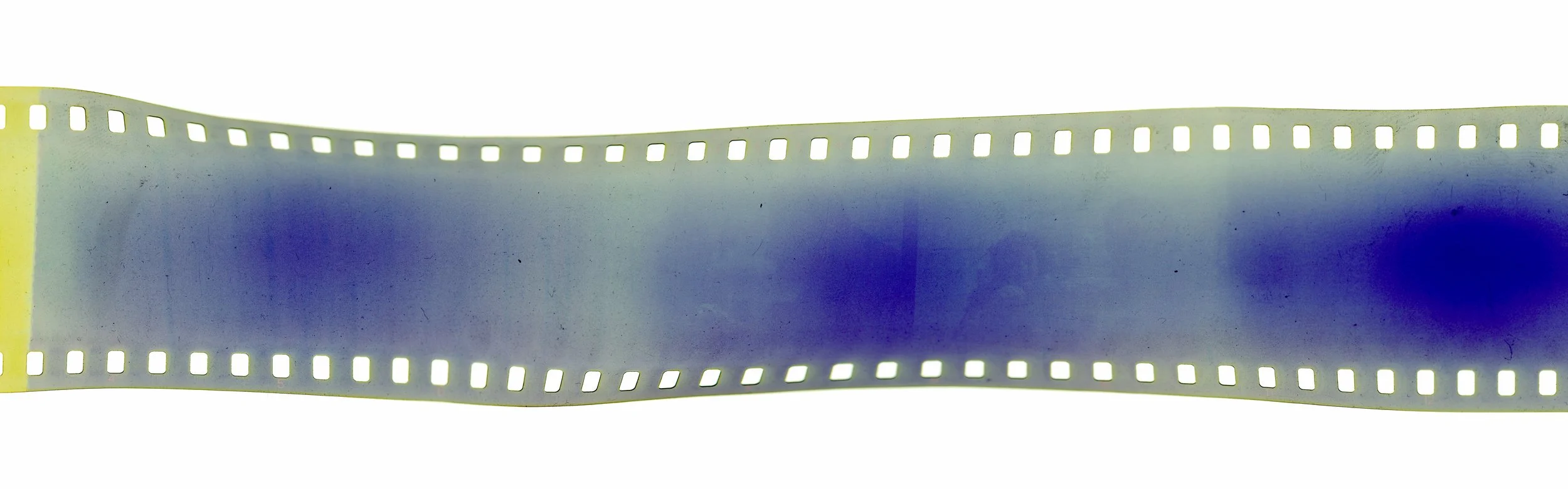
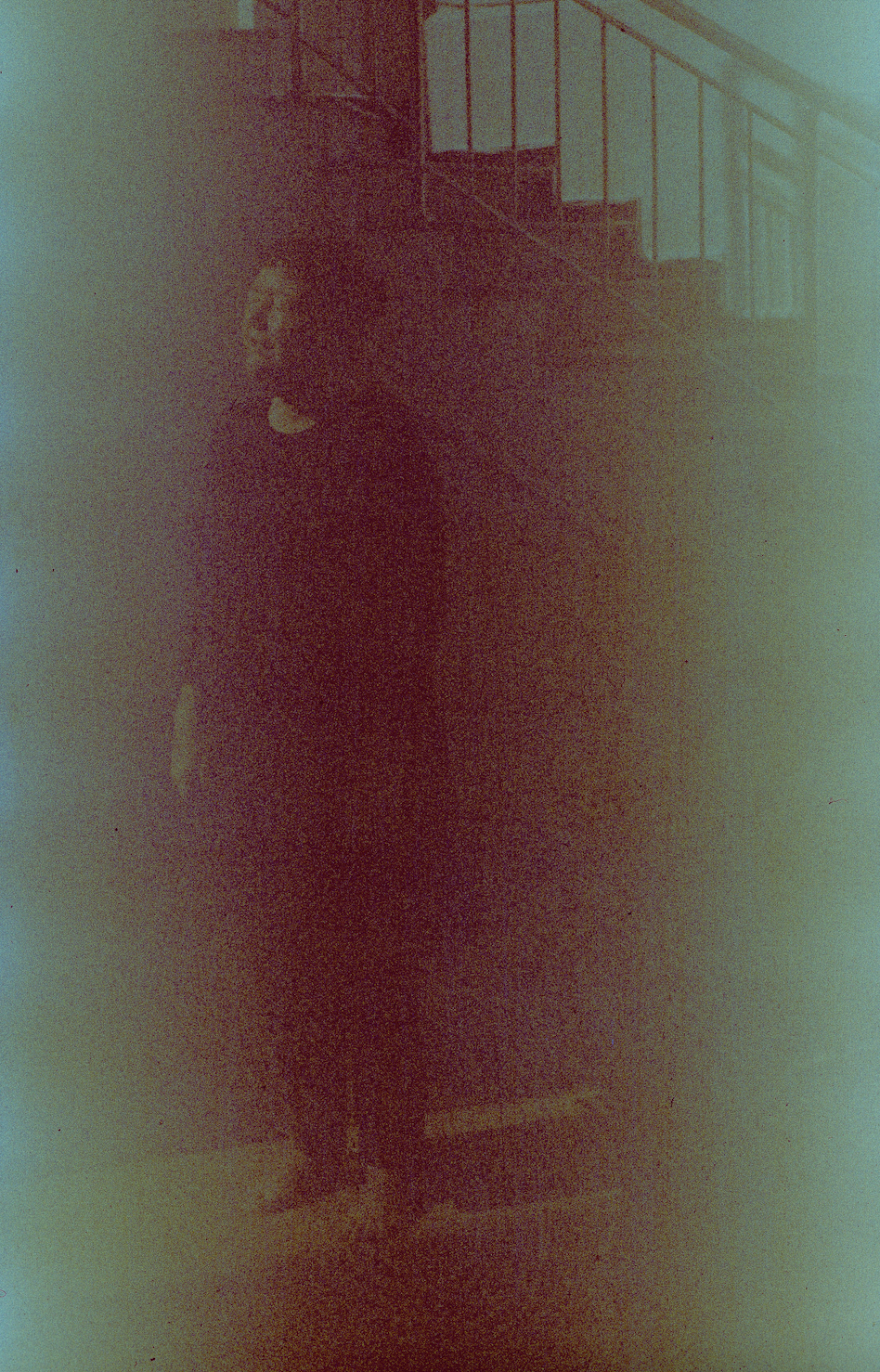
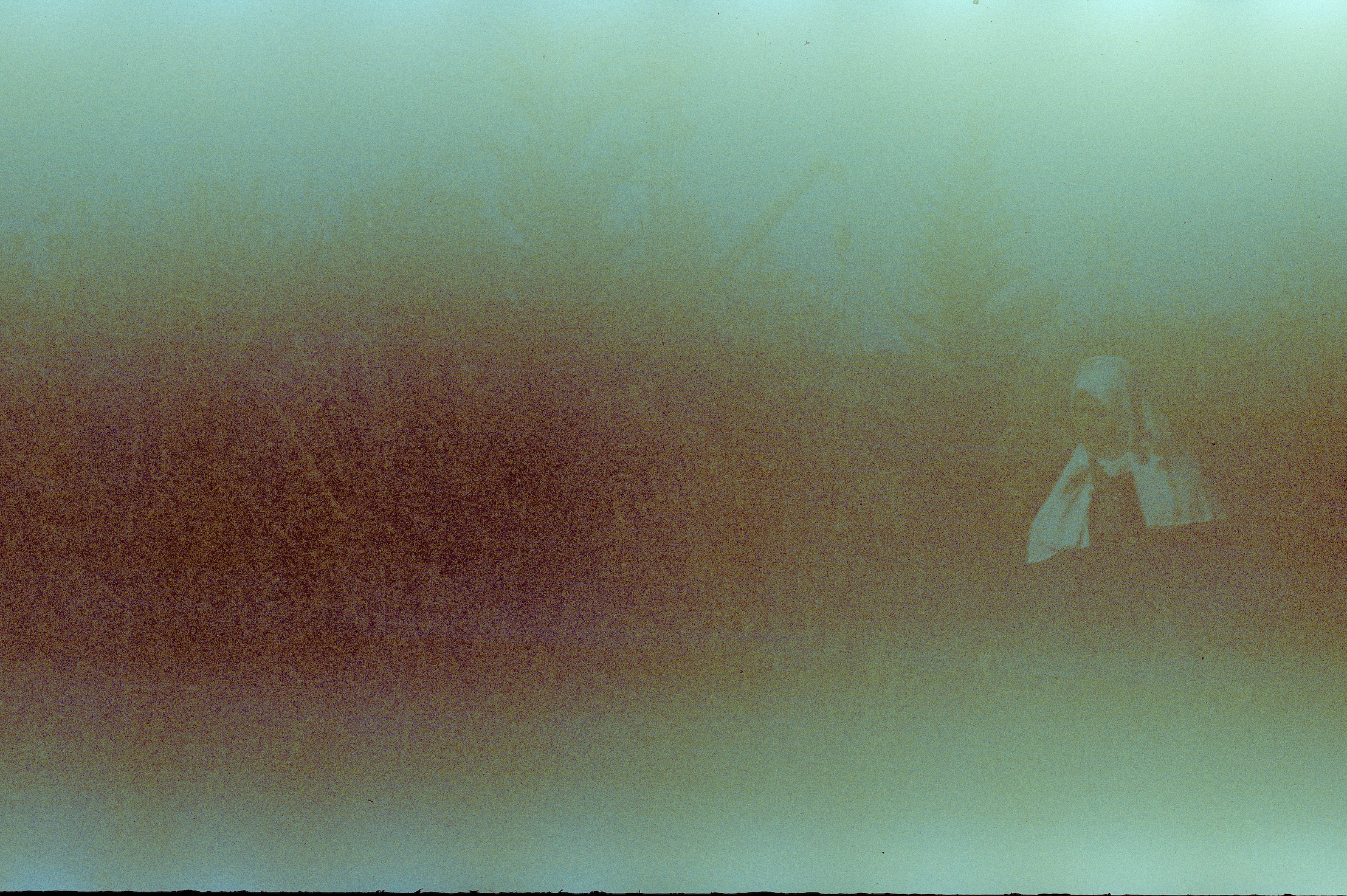
When I completed the first round of field work in December 2023, I returned to the photography studios to develop my film. The positives turned out murky, or blank entirely. The emulsion had degraded over time. Just like my Grandmother’s poetry. That’s the risk that comes with shooting expired film, or approaching family with questions about things one would rather forget, or releases.
There are many initiatives in institutions to ensure that cultural recovery happens, where decolonial frameworks are designed to represent the erased and marginalised humans in our living history. Yet systems of reparation are seldom undertaken, and these initiatives are launched without consideration for those who are indigenous and live closest to the impossible weight of colonial trauma — remembering hurts.
So as my Aunt Taous said to me over and over:
Il faut oublier. We must forget.
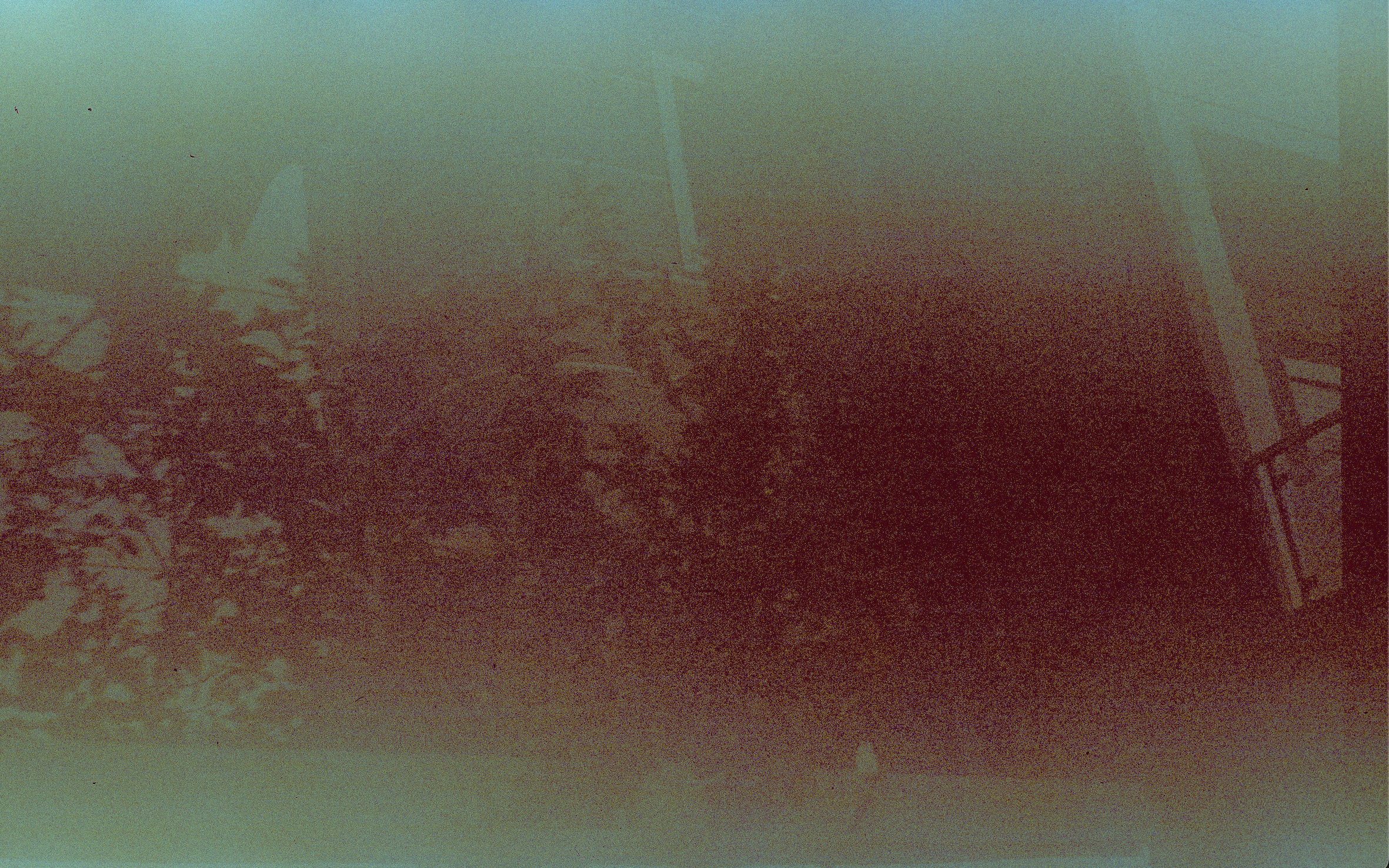
The failure of having no poems and no photos. The knowing that someday memory might fail me to recollect why I did any of this, who it was for, for whom it would affect the most.
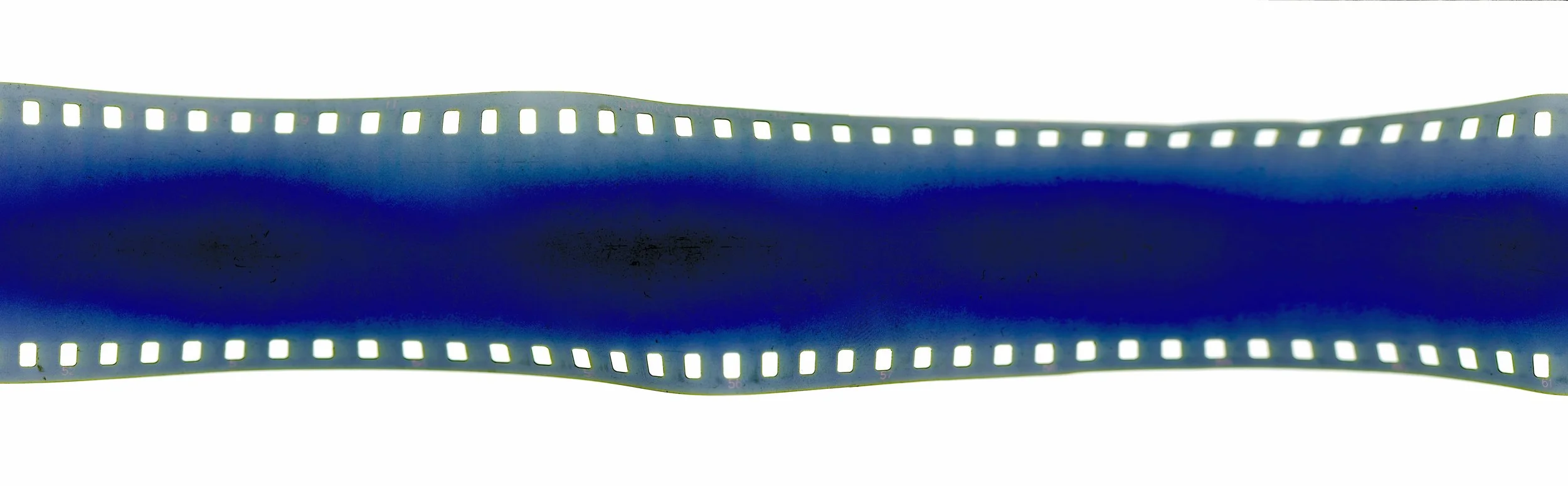
In a Western world increasingly motivated by ‘knowledge recovery’ in an attempt to atone for a colonial past that can never be ‘decolonised’ from memory, vague recollections is a happy accident, a failure content in itself to avert preservation.
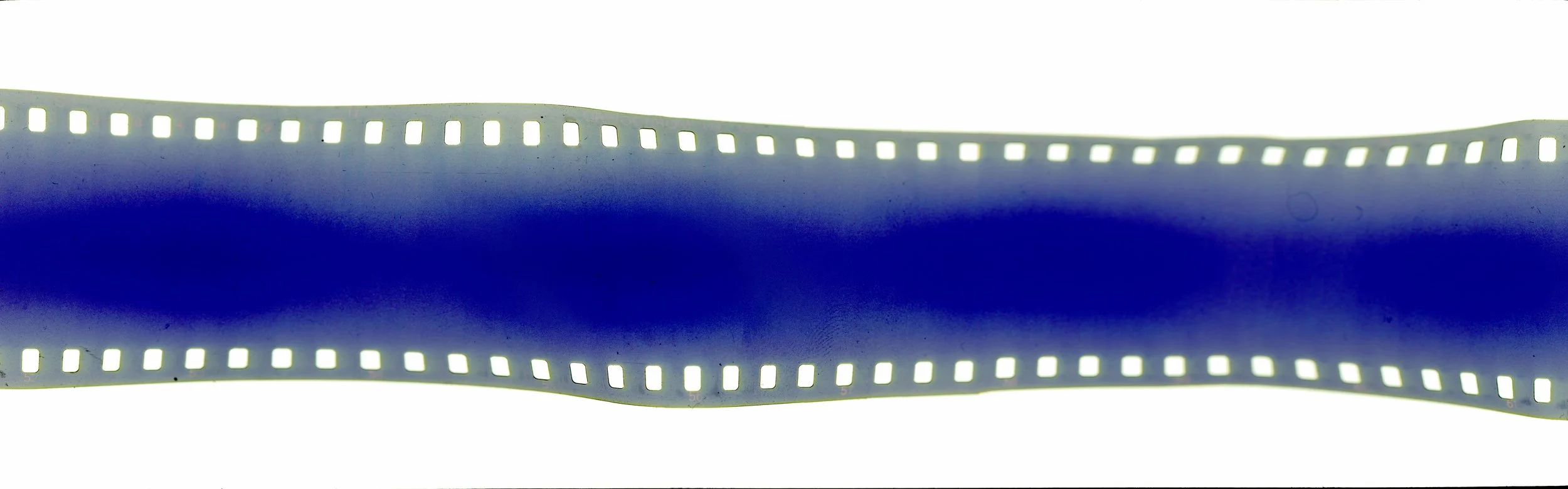
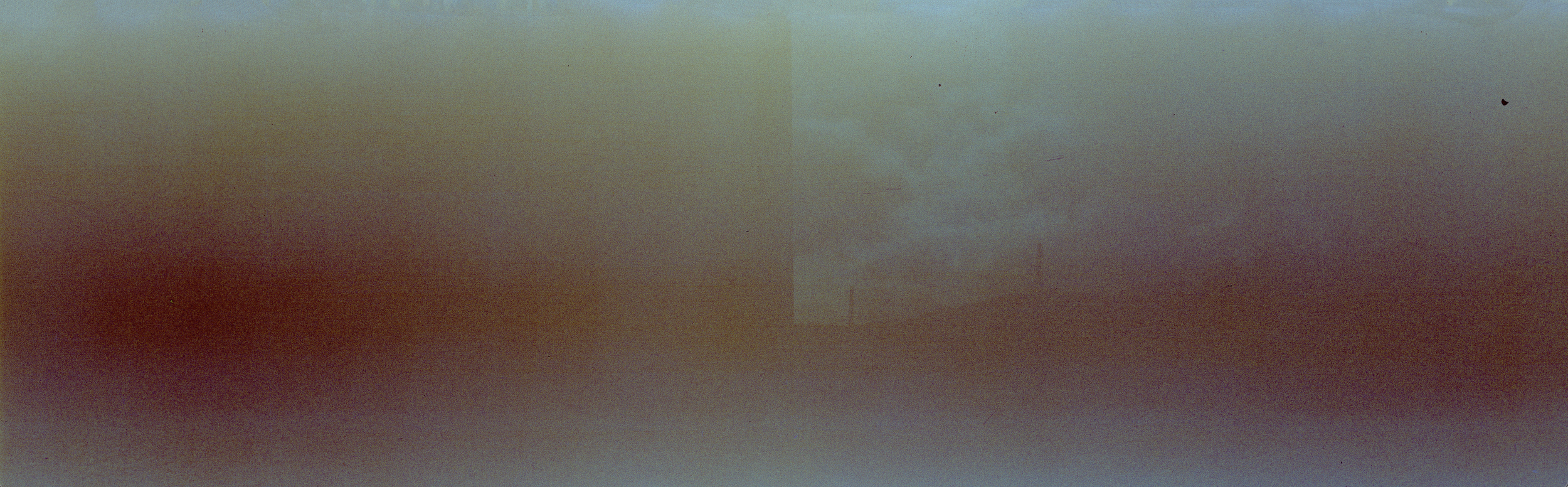
vague recollections contains the subtleties of recall and the faded edges of memory.

It’s about making peace with not knowing as an act of resistance towards knowing and institutionalised forms of ‘knowledge contribution’.
Some knowledges are not meant for knowing. They live in the void, in the banks of the mind, where they get to fade from view. Real knowledge comes from living with the unknown as an inextricable component of how we exist. Knowledge emerges naturally from sitting with what it means to not know. Study what happens to the body when we consciously stop to integrate and embody these voids, blanks and vague recollections.
I asked myself ‘What does it feel like to not know my Grandmother’s poetry?’
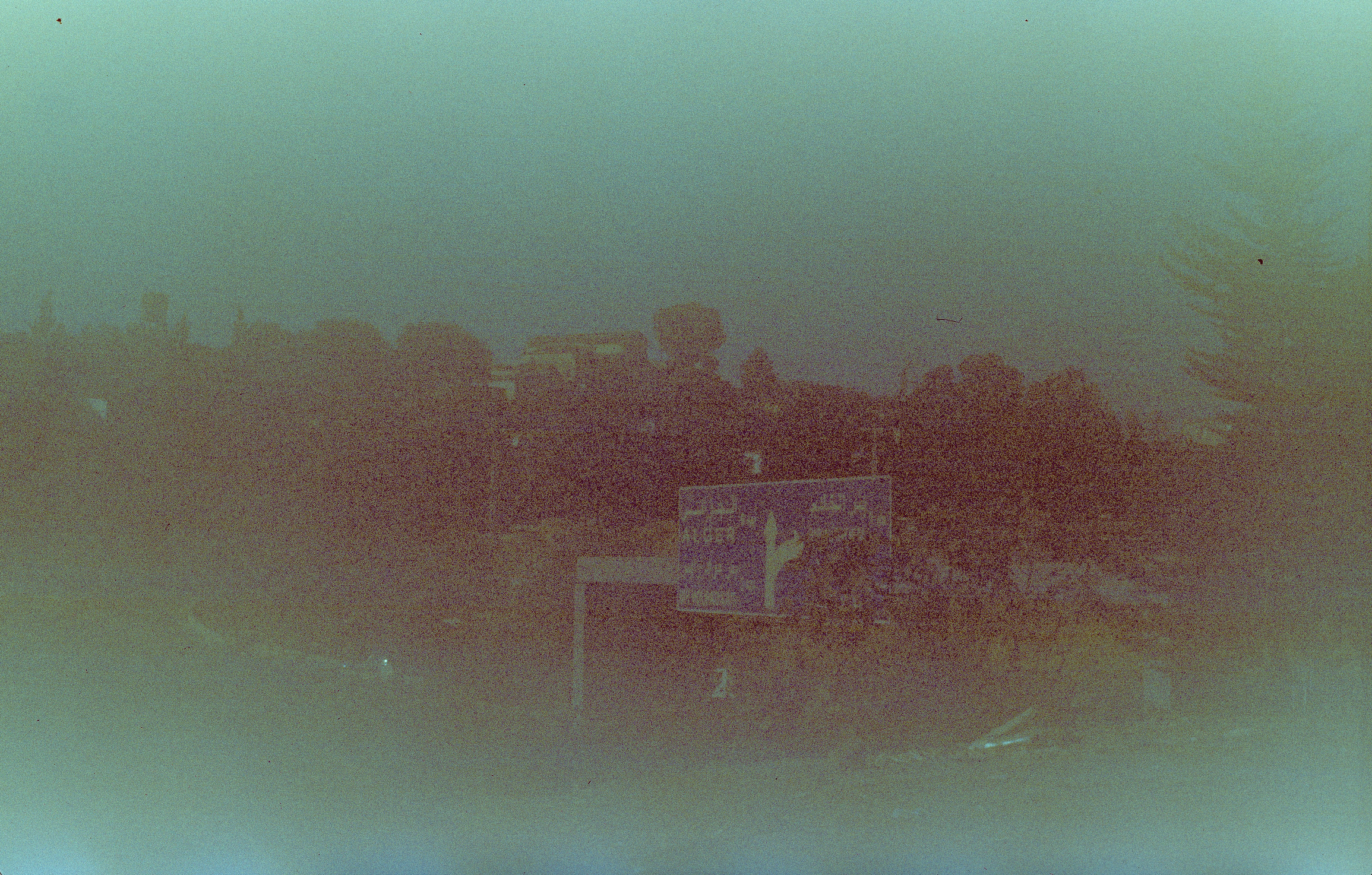
And these happy, failed experiments became symbols for not knowing. When I felt the disappointment, the shame, the self-imposed judgement of my arrogance, I was liberated from the trap of wanting to know everything. I was at peace in these images. I no longer needed to study and study forever, trying to make out what that was. I could sit with the cloudy emulsion and empty data sheets as evidence of something equally crucial to remembering: forgetting.
What is made present is only made more so by that which is absent. What you think you know, is only rendered visible by what you don’t know. So this work honours the joy of ‘I don’t know’. I hope ‘I don’t know’ becomes as safe an answer to you as it is forever becoming to me.